-
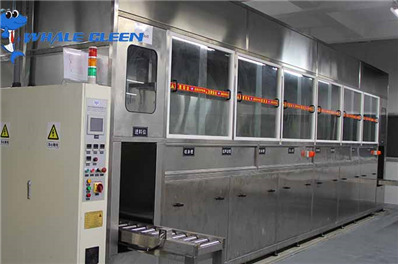 How to Reduce Ultrasonic Cleaner Noise: Effective Solutions and Practical Tips
Ultrasonic cleaners are widely used in industries, laboratories, and medical facilities for their efficient cleaning capabilities. However, the noise they produce (typically 65-85 dB) can be disruptive and even harmful with prolonged exposure. Understandi
-
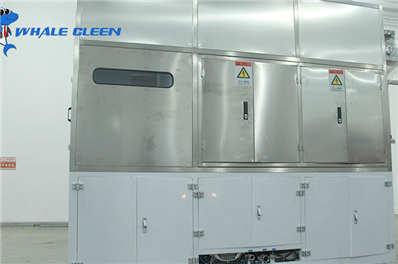 The Functions and Applications of Dual-Frequency Ultrasonic Cleaning Machines
Ultrasonic cleaning has long been recognized as an efficient and effective method for removing contaminants from various surfaces. With advancements in technology, dual-frequency ultrasonic cleaning machines have emerged as a powerful tool, offering enhan
-
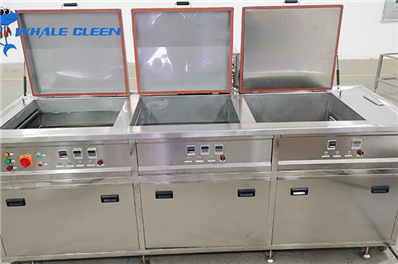 Choosing the Right Cleaning Powder for Ultrasonic Cleaners: A Comprehensive Guide
Ultrasonic cleaners are widely used across various industries for their ability to clean intricate and delicate objects effectively. The selection of cleaning powder or detergent plays a pivotal role in determining the efficiency of the cleaning process.
-
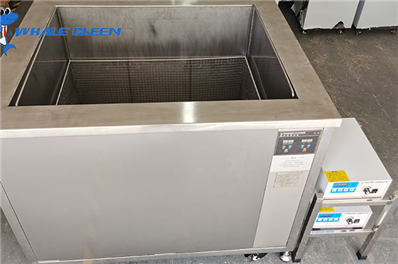 Innovative Applications of Ultrasonic Cleaners in the Biopharmaceutical Industry
Introduction Ultrasonic cleaning technology has seen significant advancements across a wide array of industries, and the biopharmaceutical sector is no exception. Known for its ability to provide high-efficiency, precision cleaning, ultrasonic cleaning
-
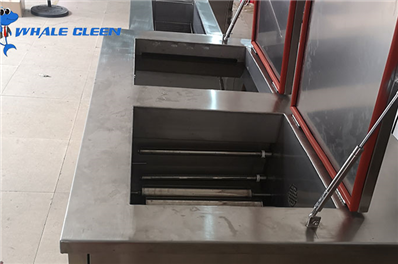 The Green Choice for Eco-Friendly Cleaning: Ultrasonic Cleaning Equipment
As environmental awareness continues to rise, the pollution issues associated with traditional cleaning methods have become increasingly concerning. Ultrasonic cleaning equipment, known for its high efficiency and eco-friendly nature, is gradually replaci
-
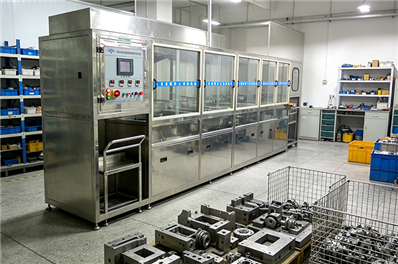 One Ultrasonic Machine, Three Critical Cleaning Tasks – Can It Really Handle Silicon Material, Solar Cells, and Terminal Blocks in One Go?
In photovoltaic manufacturing, semiconductor fabrication, and electronic component production, cleaning is never a single-step affair. Different materials, different contaminants, and different surface sensitivities demand different approaches – or so the
-
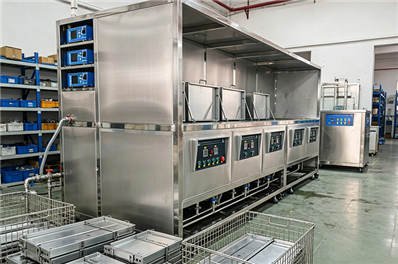 Ultrasonic Cleaning Machine: The Only Way to Eliminate Cutting Oil Sludge from Deep Grooves and Restore Plating Adhesion
For metal finishing shops and precision component manufacturers, few quality failures are as financially devastating as plating rejection caused by inadequate pre-cleaning.The scenario is painfully familiar. A batch of precision-machined components—hydrau
-
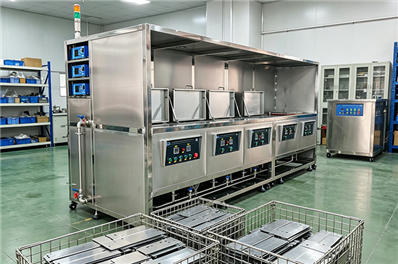 Ultrasonic Cleaning Machine: Breaking the Production Bottleneck When Piles of Oily, Chip-Covered Parts Stall Your Shop Floor
Walk into almost any machining workshop, and you will see the same scene: pallets stacked high with freshly machined parts, their surfaces glistening with cutting oil and clinging to metal chips, grinding dust, and microscopic debris. The parts are ready
-
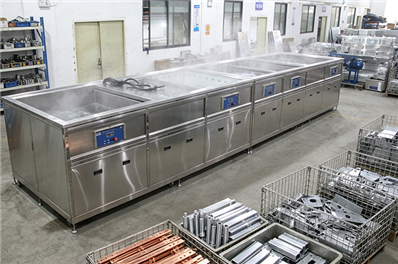 Ultrasonic Cleaning Machine for Shaft Parts: A Specialized Solution for Precision Components
In mechanical manufacturing and heavy industry, shaft parts—such as transmission shafts, motor rotors, hydraulic piston rods, and bearing rollers—are fundamental components that demand the highest standards of cleanliness. These precision-machined parts o
-
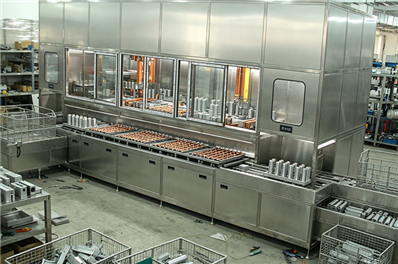 The Milling Cutter & Tap Cleaning Secret: Why Ultrasonic Outperforms Manual Methods
In any precision machining environment, the cleanliness of cutting tools like milling cutters and taps is directly linked to part quality, tool life, and production stability. Yet, the most common cleaning method—manual scrubbing with brushes, cloths, or
-
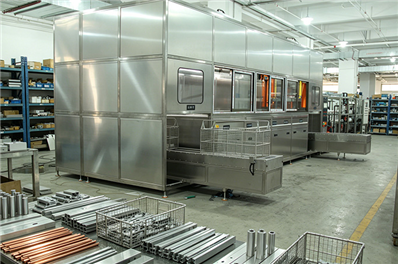 One Automatic Ultrasonic Cleaning Machine: How to Handle Milling Cutters, Calipers, and Taps with Ease
In a typical machining workshop, the tool and gauge cabinet is a study in diversity. You will find high-speed steel milling cutters with sharp, complex flutes; precision calipers with delicate measuring faces and rack teeth; and hardened taps with intrica
-
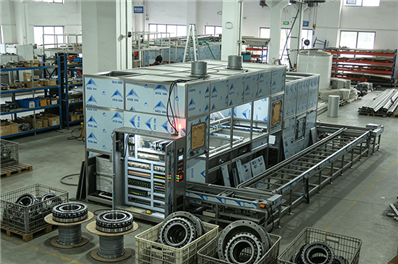 Ultrasonic Cleaning Machine: The Cost-Effective Solution for Mold Parts Cleaning
In the manufacturing industry, the cleaning of mold components—such as core pins, ejector pins, and intricate mold inserts—has long been a silent drain on production budgets. The costs are not limited to cleaning agents and labor; they extend to rejected